
How to Steam Crab Legs is one of the easiest ways to prepare a seafood dinner at home. The moist heat warms the meat without soaking it in water. You can have tender crab ready in minutes with a large pot and steamer basket.
Quick answer: To steam crab legs, bring one to two inches of water to a boil. Place the legs above the water in a steamer basket, then cover tightly. Steam thawed snow crab for about five minutes and larger king crab for six to eight minutes. Add several minutes when cooking directly from frozen.
Crab Leg Steaming Guide at a Glance
| Question | Quick answer |
|---|---|
| Best crab types | Snow crab or king crab |
| Water needed | About 1–2 inches |
| Thawed snow crab time | About 4–5 minutes |
| Thawed king crab time | About 6–8 minutes |
| Frozen crab time | Usually several minutes longer |
| Basic equipment | Large pot, lid, steamer basket, tongs |
| Best serving options | Melted butter, lemon, seafood seasoning |
| Main mistake to avoid | Steaming too long |
Most crab legs sold in American supermarkets are already cooked before freezing. That means your main goal is reheating them gently. Overcooking can dry the meat and make its texture tougher.
Steaming works especially well because the crab stays above the boiling water. The steam surrounds the shells and warms the meat gradually. This method also avoids filling the shell cavities with extra cooking water.
What You Need Before You Start
You don’t need restaurant equipment to prepare crab at home. A basic stockpot with a tight lid handles most batches. The pot must be large enough for steam to circulate around the crab.
Gather these items before heating the water.
* 1½ to 2 pounds snow crab clusters or king crab legs. * Large stockpot with a tight-fitting lid. * Steamer basket or metal colander. * 1–2 inches of water. * Long kitchen tongs. * Melted butter. * Fresh lemon wedges. * Optional Old Bay or another seafood seasoning. * Optional garlic, bay leaf, or herbs.
A seafood cracker or kitchen shears also makes serving easier. Snow crab shells often break with your hands. Thick king crab shells usually need a little more help.
If you’re planning a larger meal, browse the NewsPaperLA Food section for more kitchen and meal ideas. Preparing your sides before steaming helps everything reach the table hot. Crab loses heat quickly once it leaves the pot.
Should You Thaw Crab Legs Before Steaming?
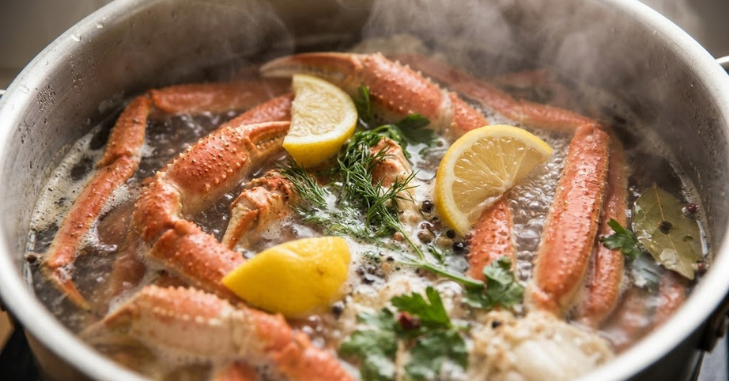
Thawing is recommended when you have enough time. Thawed pieces warm more evenly and require less steaming. Place frozen crab in the refrigerator overnight for the simplest method.
The FDA recommends thawing frozen seafood gradually in the refrigerator. Faster thawing can be done in a sealed bag under cold conditions. Avoid leaving seafood on the counter for extended periods.
How to Steam Crab Legs can still steam frozen legs without thawing them first. Expect the cooking time to increase by several minutes. Check thicker sections carefully because they take longer to heat.
How to Steam Crab Legs in 7 Easy Steps
The process stays almost identical for snow crab and king crab. The main difference is the steaming time. Larger, thicker pieces usually need a few extra minutes.
1. Add Water to the Pot
Pour one to two inches of water into a large stockpot. The water level should stay below your steamer basket. Your crab should never sit directly in the boiling water.
You can leave the water plain or add aromatics. Lemon slices, garlic, or a bay leaf can add a light aroma. Strong seasoning is optional because the shell limits how much flavor reaches the meat.
2. Bring the Water to a Full Boil
Set the pot over high heat and cover it. Wait until the water reaches a steady boil. Starting with active steam makes the cooking time more predictable.
Don’t add the crab while the water is still warming. A slow start can create uneven heating. Keeping the lid closed also helps the pot build steam faster.
3. Arrange the Crab Above the Water
Place the steamer basket inside the pot. Add the crab legs without packing them too tightly. Bend clusters gently at their joints if they don’t fit.
The lid needs to close completely. Escaping steam slows the heating process. Use a larger pot or cook two batches when necessary.
4. Cover the Pot Tightly
Put the lid on as soon as the crab is arranged. A tight seal traps hot steam around the shells. Avoid repeatedly opening the lid during cooking.
Steam can cause serious burns when the lid comes off. Open the pot away from your face. Use long tongs to keep your hands away from hot surfaces.
Kitchen safety matters whenever you’re handling boiling water or steam. NewsPaperLA also covers broader household precautions in its guide to common remodeling and gas-safety mistakes. Safe kitchen habits make cooking more comfortable and predictable.
5. Steam Until Heated Through
Steam thawed snow crab for about four to five minutes. Large king crab legs commonly need about six to eight minutes. Frozen pieces can require several additional minutes.
These times are guidelines rather than rigid rules. Pot size, crab thickness, and starting temperature all affect the result. Stop heating once the meat is thoroughly hot.
6. Check the Crab for Doneness
Properly heated crab should smell fresh and pleasantly sweet. The exposed meat should appear pearly or opaque. It should also feel hot throughout the thickest sections.
FDA food-safety guidance says cooked crab flesh should be pearly or white and opaque. Raw seafood requires more careful temperature control than precooked frozen legs. Follow package directions whenever your product is labeled raw.
7. Remove and Serve Immediately
Lift the legs from the pot with long tongs. Let excess moisture drip back into the steamer before plating. Serve them while they’re still hot.
Melted butter and lemon are classic choices across the United States. Garlic butter and seafood seasoning work well when you want stronger flavor. Keep extra napkins and a shell bowl nearby.
How Long to Steam Different Crab Legs
Crab size matters more than the label on your timer. Thin snow crab clusters heat quickly. Thick king crab sections need more time because steam must warm more meat.
| Type | Starting condition | Approximate steaming time |
|---|---|---|
| Snow crab | Thawed | 4–5 minutes |
| Snow crab | Frozen | 7–10 minutes |
| King crab | Thawed | 6–8 minutes |
| King crab | Frozen | 10–12 minutes |
Check the crab before adding more time. Another minute can help a cold center. Several unnecessary minutes can dry an already hot piece.
How to Steam Crab Legs Without a Steamer Basket
A dedicated basket is convenient but not required. A metal colander can work when it fits securely inside your pot. The crab still needs to remain above the water.
You can also place a heat-safe rack inside a deep pot. Another option is making a raised platform with tightly formed aluminum-foil balls. Set a heat-safe plate above them and place the crab on top.
Whatever method you choose, keep the water away from the crab. The goal is steaming rather than boiling. Make sure your improvised setup stays stable before adding the lid.
Steaming vs. Boiling Crab Legs
Both methods can heat crab successfully. Steaming uses less water and exposes the meat to gentler moisture. Boiling places the shell directly in hot water.
Steaming can also reduce the chance of watery shell cavities. That makes cracking and eating the legs less messy. It is especially useful when you want the natural crab flavor to remain prominent.
Boiling may be convenient for large seafood boils with corn or potatoes. Steaming is usually simpler when crab is the main attraction. Your equipment and meal style can determine the better option.
Common Mistakes That Can Ruin Crab Legs
The most common mistake is leaving precooked crab in the steamer too long. More cooking doesn’t create more tenderness. Extended heating can make the meat drier.
Another mistake is overcrowding the pot. Tight stacks prevent steam from moving freely between pieces. Cook a second batch when the lid cannot close properly.
Don’t use warm countertop thawing as a shortcut. Refrigerated thawing gives you better control and follows safer seafood-handling practices. The FDA recommends keeping perishable seafood properly chilled before cooking.
Using strongly seasoned water is also unnecessary for most batches. The shell blocks much of the seasoning from reaching the meat. Save bold flavors for butter, sauces, and finishing seasonings.
Easy Ways to Serve Steamed Crab Legs
Melted salted butter is the simplest pairing. Add minced garlic if you want a richer dipping sauce. Fresh lemon cuts through the butter and complements the crab’s sweetness.
Popular side dishes include corn, roasted potatoes, coleslaw, rice, and a simple salad. Bread is useful for soaking up seasoned butter. Choose sides that can be prepared before the crab enters the pot.
Seafood can also fit into broader food and wellness discussions. NewsPaperLA’s article about marine collagen and food uses offers another seafood-related topic. Keep nutrition claims separate from basic cooking guidance when planning meals.
How Much Crab Should You Buy Per Person?
Plan around one pound of crab legs per adult for a main course. Larger appetites may need closer to one and a half pounds. Smaller portions work when several other dishes are served.
Shell weight makes crab portions look larger than the edible meat inside. King crab usually provides thicker sections of meat. Snow crab offers smaller pieces that work well for casual seafood meals.
Buying a little extra can help when you’re serving guests. Leftovers should be refrigerated promptly. Reheat them gently rather than repeatedly steaming the same batch.
How to Store Leftover Crab
Refrigerate cooked seafood within two hours after serving. Use shallow containers so the food cools efficiently. Keep your refrigerator at a safe cold temperature.
The FDA recommends discarding perishable seafood left out longer than two hours. That window drops to one hour when temperatures exceed 90°F. Outdoor summer meals require extra attention.
Reheated leftovers should be hot throughout before serving. Avoid reheating crab several times. Repeated heating can hurt both texture and food quality.
The Simple Formula for Better Steamed Crab
Learning how to steam crab legs comes down to three things: enough steam, the right timing, and avoiding overcooking. Thawed snow crab usually needs only a few minutes, while larger king crab needs slightly longer. Starting with a boiling pot makes those times easier to judge.
Prepare your butter, lemon, crackers, and side dishes before the crab goes into the pot. Serve the legs as soon as they are hot. That simple timing gives you sweet, tender crab without turning dinner into a complicated project.
Frequently Asked Questions
How to steam crab legs from frozen?
You can place frozen crab directly in a steamer basket above boiling water. Keep the pot covered so the steam stays concentrated. Add several minutes compared with thawed crab and check thick pieces before serving.
Thawing first usually produces more even results. Overnight refrigerator thawing is the easiest approach. Cold-water thawing can help when dinner is approaching faster.
Are crab legs already cooked when you buy them?
Many frozen snow and king crab products sold in the United States are precooked. They are commonly cooked before freezing and packaging. Always read the package because products can vary.
Precooked crab only needs to be heated through. Raw crab requires complete cooking rather than simple reheating. Following the product label prevents confusion.
Can you overcook crab legs?
Yes, extended heating can make crab meat dry and less tender. Precooked legs only need enough steaming time to become hot. Start checking them near the lower end of the recommended range.
Avoid adding extra minutes without a reason. Thick king crab may need more time than thin snow crab. Size and starting temperature matter.
Is steaming better than boiling crab legs?
Steaming keeps the legs above the cooking water. This can help preserve their natural texture and reduce water inside the shells. It also requires less water than boiling.
Boiling still works well and may suit seafood boils. Choose the method that fits your meal. For a simple crab dinner, steaming is often easier to control.
What can I use if I don’t have a steamer?
Use a metal colander, heat-safe rack, or raised heat-safe plate. The crab must remain above the boiling water. Your pot also needs a lid that closes securely.
Make sure any substitute is stable under heat. Avoid materials that are not designed for cooking temperatures. Steam needs room to circulate around the crab.

