
What Are Tonsil Stones?
Tonsil stones, also known as tonsilloliths, are calcified debris that form in the crevices of the tonsils. Tonsils act as filters trapping bacteria and viruses that enter through the mouth and nose. When small particles of food, bacteria, mucus, and dead cells accumulate in the tonsillar crypts, they can harden into tonsil stones. These stones are usually harmless and can often be removed with simple home remedies. Saltwater gargles are particularly effective in loosening and removing tonsil stones. Additionally, quitting smoking can reduce the risk of tonsil stone formation, as smoking increases the likelihood of bacterial buildup.
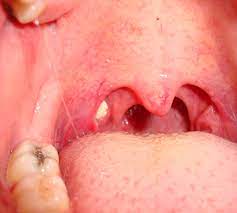
Tonsil stones are typically yellow or white, hard, and roughly range in weight from 0.3 grams to 42 grams, although most are much smaller and often go unnoticed. While generally not a severe health concern, larger stones can cause tonsil swelling and throat discomfort. They often emit a strong, unpleasant odor due to the bacterial activity in the stones, which may result in bad breath.
What Are the Causes of Tonsil Stone Formation?
Tonsil stones form when debris such as food particles, mucus, dead cells, and bacteria accumulate and become trapped in the tonsillar crypts. Poor oral hygiene is a common contributing factor, as not brushing teeth regularly allows buildup to occur. Factors that increase the likelihood of tonsil stones include:
- Chronic sinus issues or a persistently stuffy nose, which can cause mouth breathing and dryness.
- Enlarged tonsils with deep crypts that trap debris more easily.
- Dental issues such as cavities or gum disease that increase bacterial growth.
- Usage of certain medications that cause dry mouth, altering the oral environment.
- Frequent smoking, which irritates the throat and contributes to bacterial growth.
What Are the Symptoms of Tonsil Stones?
Tonsil stones often cause no symptoms and can go unnoticed. However, when symptoms do occur, they may include:
- Persistent sore throat or discomfort when swallowing
- Chronic cough or sneezing
- Swelling and redness of the tonsils
- White or yellow spots visible on the tonsils
- Bad breath (halitosis) due to bacterial activity in the stones
- Feeling of something stuck in the throat or difficulty swallowing
- Drooling or discomfort while eating
- Unpleasant taste in the mouth
Are Tonsil Stones Related to White Spots on Tonsils?
Yes, the white or yellow spots sometimes seen on the tonsils are often tonsil stones or the early accumulations that can become stones. They consist primarily of dead cells and bacteria that calcify in the tonsil crevices. It is possible to have these spots without any sign of tonsillitis (infection of the tonsils), and many people develop tonsil stones frequently without other symptoms.
Do Tonsils Cause Throat Irritation?
Tonsil stones and enlarged tonsils can cause irritation and pain in the throat. This discomfort may extend to headaches and digestive difficulties due to related swallowing issues. The glands in the neck may also become swollen, making talking and swallowing uncomfortable. Managing tonsil stone formation and treating any infections promptly helps reduce throat irritation.
Read More: How much Wyatt Russell’s net worth is? All about his life you want to know
Are Tonsil Stones Infectious?
Tonsil stones themselves are not contagious. However, the bacteria and fungi involved in their formation can be transmitted between individuals, especially in close contact. Tonsillitis (tonsil infection), which can sometimes accompany stones, is contagious. Transmission can occur through:
- Direct contact with an infected person’s saliva or mucous membranes
- Sharing food, drinks, or utensils with an infected person
- Close respiratory exposure such as coughing or sneezing
- Touching contaminated surfaces and then touching your mouth or nose
How to Remove Tonsil Stones?
While tonsil stones are usually harmless, larger or frequent stones can cause discomfort and require removal. Here are effective ways to remove or prevent tonsil stones:
· Brush Your Teeth Regularly
Maintain good oral hygiene by brushing your teeth at least twice daily, especially after meals and before bedtime. This removes food debris and bacteria that contribute to stone formation.
· Stay Hydrated by Drinking Plenty of Water
Drinking water helps flush out dead cells and bacteria from the mouth and tonsils, reducing debris buildup and keeping your throat moist.
· Gargle with Warm Salt Water
Mix half a teaspoon of salt in a glass of warm water and gargle several times a day. This soothes throat irritation, loosens tonsil stones, and reduces bacteria.
· Avoid Smoking
Smoking irritates the throat and increases bacterial growth, making tonsil stones more likely to form. Quitting smoking supports overall oral health.
· Manage Your Cough
If you have a cough, addressing its underlying cause can help dislodge tonsil stones naturally. However, persistent coughing may irritate your throat, so it’s best to seek medical advice if the cough is severe or ongoing.
Frequently Asked Questions (FAQs)
Yes, small tonsil stones can often dislodge naturally through coughing, swallowing, or gargling. Maintaining good oral hygiene can help prevent them from returning.
If you experience severe pain, difficulty swallowing, persistent bad breath, recurrent infections, or large tonsil stones causing discomfort, it is advisable to consult an ENT specialist.
Tonsil stones are generally not harmful but can cause bad breath and throat discomfort. In rare cases, large stones can lead to tonsil swelling or infection.
Yes, the bacteria trapped in tonsil stones produce sulfur compounds that result in unpleasant breath odor.
Surgery is rarely needed. Most tonsil stones can be removed at home or with minor medical procedures. In chronic or severe cases, tonsillectomy (removal of tonsils) might be considered.

